|
NatureScot has published its 2022 licence data - but has concealed key information from the public.
* Scotland's nature agency admitted to issuing more than 2000 bird licences in one year but declined to publish the numbers of birds affected - including the fact that they permitted the unlimited lethal control of several red and amber listed species for 'bird air safety' - and that one licence alone approved the culling of 359 Barnacle Geese. The 'hidden' data that NatureScot decided not to publish - * "As many as required" Lapwing, Curlew, Mute Swan, Starling & more - approved for lethal control * Hundreds of amber listed Barnacle Geese and Pink Footed Geese licensed to be culled * "As many as necessary" chicks of Swallows and Swifts permitted to be killed, for 'air safety' * Similar key information is missing from all of NatureScot's published licence data. Why didn't they publish these figures? NatureScot: "we concluded that the time taken to process this quantity of data would not be viable" Not so 'open and transparent' then. Please read on.... Where are the figures? When NatureScot told me they were going to publish their wildlife licence data in the name of 'openness and transparency', I was hopeful. Well, it was finally released this week - but there's a big problem. They have neglected to publish the most important statistics. The number of birds affected by the licences has been intentionally withheld. The data release had already been delayed due to "pressures on the licensing team" but now that it's out, it raises far more questions than it answers. While the total numbers of wildlife licences are listed (including a whopping 2,269 licences issued to control wild birds in just one year), NatureScot decided not to include the specific numbers of birds (or other animals) associated with each licence - and this of course is the key information we need to see. Fortunately, I do have that information because I had the foresight to obtain it through a freedom of information request earlier this year. So let's take a dip into the data and see what they might be hiding..... 1 Licence = 359 birds An example of just how significant the missing information is: NatureScot say they issued just 6 licences to kill Barnacle Geese last year, and that much is true - but they leave out the rather important detail that just one of those 6 licences actually allowed 359 of these impressive birds to be culled - and this species is included on the amber list of conservation concern. And when NatureScot say in their published data that they issued 23 licences to kill Pink footed Geese (also an amber listed species), I can tell you that in fact the number of geese permitted to be killed under those 23 licences is around 300. Other species too are targeted by NatureScot in potentially very large numbers, but the published data doesn't allude to this fact either because the actual numbers attached to the published licences have been withheld. Red List Species Several red and amber listed species appear 'openly and transparently' in the published data, but again with no details over the numbers. In total, NatureScot say they approved 28 licences last year covering air safety - that may not sound alot - but I can tell you that none of these air safety licences specified an upper limit on the numbers of birds to be killed. NatureScot allowed (quote) "as many as required" of the listed species to be lethally controlled in the name of air safety. Yes, that's right, "as many as required". Another air safety licence permits the lethal control of "any number of" the specified birds. The birds covered by these controversial licences include several rare species and allow the licence holder to (quote) "Destroy nest and eggs", "Kill", "Take and kill adults and chicks" "As Many As Required" / "Any Number Of" Here's the full list of birds approved to be killed for air safety in unspecified and unlimited numbers. (red listed species in red, amber listed species in orange):- •Black-headed Gull •Brent Goose •Buzzard •Canada Goose •Carrion Crow •Common Gull •Common Shelduck •Common Teal •Cormorant •Curlew •Dunlin •Feral Pigeon •Golden Plover •Great Black-backed Gull •Grey Heron •Grey Partridge •Greylag Goose •Herring Gull •Hooded Crow •House Martin •Jackdaw •Lapwing •Lesser Black-backed Gull •Magpie •Mallard •Mute Swan •Oystercatcher •Pheasant •Pied Wagtail •Pink-footed Goose •Raven •Redshank •Ringed Plover •Rook •Sand Martin •Skylark •Snipe •Starling •Stock Dove •Swallow •Swift •Woodpigeon One air safety licence even allows "as many as necessary" chicks of Swallows and Swifts to be killed. Perhaps it's no wonder Scotland's nature agency doesn't want you to see this additional information. It doesn't inspire confidence in their work does it? So, why are they hiding the numbers? NatureScot's explanation I contacted NatureScot as soon as they published the licence stats on Thursday, and I put it to them that the most important data of all was missing entirely from the public release. I asked them if they would re-issue the data with the relevant figures included, in much the same way that Natural England now does following pressure from our campaign, explaining that otherwise it is pretty meaningless - and far from transparent. This is what they told me in response, "while data on the specific numbers associated with each licence is very informative, we concluded that the time taken to process this quantity of data would not be viable and would impede on current licensing demand." In other words, a flat refusal to share the information freely with the public. They went on to suggest that "specific numbers for each licence can still be requested through Freedom of Information requests and this method is built to accommodate the time it takes to collate and redact the information as required." Misleading the public? The published data, far from being 'open and transparent' is, I believe, merely a distraction and conceals the true picture. By omitting the key matter of how many birds are covered by each licence, NatureScot has made a very conscious decision to hide the information from the public. Such secrecy doesn't inspire confidence in their work. It's deeply disappointing. Releasing carefully edited statistics, and withholding this significant information, might mislead the public into thinking the numbers of birds killed is less than it actually is. The way NatureScot has presented the data just makes it look as though they have a whole lot of stuff to hide. Far from being open and transparent, this attempt to pacify the public merely suggests that they underestimate us - and it's not good enough. We need proper accountability from a government agency tasked with protecting nature. I will take their advice and I'll be submitting further freedom of information requests to find out even more of the specific details that we want to see. You can see NatureScot's edited licence data HERE Meanwhile....our campaign continues HERE 
40 Comments
Just a quick update today to let you know that 'people power' has won the day again and NatureScot has agreed to publish it's wildlife licensing data - hopefully by the end of the coming week.
Social media outcry Back in March, NatureScot told me that they planned to release the data within weeks, but nothing appeared - and my enquiries since then had been met with a rude silence. So I decided to take matters into my own hands and I published a few statistics from NatureScot's bird control data myself, on my blog, figures that I'd obtained through a freedom of information request. That caused quite a stir on social media. As the news spread and public outrage increased, suddenly out of the blue I received a message from NatureScot, confirming that they will now release the full data for public scrutiny as early as next week. Their licensing manager told me on Tuesday "I have approved the release of our 2022 data...hopefully this will be completed and available to the public by the end of next week." I now have some details of this scheduled release and also a hint that there will be more information coming soon about a 'species licensing review'; NatureScot told me "we are waiting for confirmation from Scottish Government to go ahead with that review, which will consider the access to data and transparency of our approach to licensing and will I am sure make recommendations in relation to our licensing approach which will enable us to provide a more efficient and effective service." Quite what that will mean is unclear but I will keep tabs on developments. Public pressure = success So, anyway, well done everyone! Our campaign is supported by around 400,000 people now, with more joining all the time - we can't be ignored. It's really important that we all look at the data when it's out - I'll put a link on my website and you'll get another update when it goes live, so watch this space. Campaign title update Meanwhile the eagle eyed amongst you will have noticed that I've tweaked the title of our campaign to accommodate this latest development. Birds are clever and don't recognise national boundaries, and so our campaign, which previously focused on England, will now cover the whole of the UK, in particular looking at Natural England and NatureScot (the other UK agencies, for Wales and Northern Ireland, seem to be doing a better job, at least for now). Thanks again and I'll be in touch... Best, Jase 
* Freedom of information request reveals 'staggering' extent of lethal bird control in Scotland
* 50 species of birds appear on NatureScot's kill list for 2022 * NatureScot vowed to publish licence data for public scrutiny - but when? Worrying statistics have emerged from Scotland detailing a staggering level of officially sanctioned lethal bird control - but Scottish government nature agency, NatureScot, seem reticent about sharing their licence data with the public - in spite of an assurance that they would. NatureScot vs Natural England An early success of our campaign was persuading Natural England to publish an annual declaration of their licence data, so that detailed statistics for every bird control licence issued in England are now freely accessible for public scrutiny. So, when worrying figures started trickling through from north of the border - albeit only via freedom of information requests - I asked Scotland's government nature agency, NatureScot, if they would follow Natural England's lead and make their own licence data available to the public. They were quick to reassure me. NatureScot's Director of Green Economy told me enthusiastically, "We agree on the benefits of publishing this information and are keen to ensure openness and transparency of our licensing functions," adding that "we are currently in the process of formatting licence information which will be published on our website on a regular basis and we hope to have this available in the next few weeks." That was in March. On 2nd June, I politely reminded NatureScot of the assurance they made two months earlier, but I received no acknowledgement. So, on 13th June, I asked them again. This time I received two holding responses, one from the Director of Green Economy saying he was 'out on site', and another from the Senior Executive Support Manager to Chair & Chief Executive, saying "we will be back in touch as soon as possible with our response". As I write this, it is 24th June and I've heard nothing further. So, why the silence? Well, read on.... Shocking data I have taken a look at NatureScot's bird licence data for 2022, which I obtained through a freedom of information request earlier this year, and the figures are really shocking. No less than fifty species of birds appear on the lethal control list, including some red listed species of the highest conservation concern. "Endangered species" Back in February, in a note accompanying their foi response, NatureScot tried to justify the long list of lethal control licences; they told me "no activity carried out under these licences will adversely affect the conservation status of any of our native species and none of the licences issued relates to endangered species." I'm not convinced about that. What constitutes an 'endangered' species? NatureScot issued 18 licences last year to kill Curlew - 'as many as required' - this is a red listed species. Surely they qualify as 'endangered'? These Curlew licences were approved in the name of air safety, which some might say is valid, but nevertheless it's just not true for NatureScot to say that 'none of the licences relates to endangered species' - when they clearly do. The list of species permitted to be killed in the name of air safety is extensive and also includes Swallow, Swift, House Martin, Sand Martin, Lapwing, Starling, Oystercatcher, Dunlin, Snipe, Buzzard, Grey Partridge and more - with no limit on the numbers licensed for destruction in these cases. Air safety is again provided as the reason behind licences to kill 'as necessary' the chicks of Rooks and Carrion Crows. But it's not all about air safety. Many other licences were issued for other reasons including "Preventing serious damage to livestock, foodstuff for livestock, crops, vegetables, fruit, growing timber, fisheries or inland water" "Conservation status" Now let's turn to the matter of 'not adversely affecting conservation status' - well, take the number of licences approved by NatureScot to kill Ravens - the data suggests that they issued around 150 licences in 2022 to kill these magnificent birds. That's potentially a lot of Ravens. NatureScot also approved the slaughter of several hundred Pink Footed Geese and Barnacle Geese last year; and we already know that the agency has been under pressure to explain their notoriously extreme approach to culling gulls, including red listed Herring Gulls - see my post about that here. Embarrassed by the figures? Has NatureScot had second thoughts about "the benefits of publishing this information"? Whatever the reason, silence is not the best look. I would suggest that it's in everyone's interest to publish the data now, especially if NatureScot really do want to ensure 'openness and transparency', as they claim to. Questions to answer Licence returns, if we could see them, might shed light on the final numbers affected, though if the system is like that of Natural England, the returns may rely on the 'honesty and integrity' of licence holders. So, clarification from NatureScot would be welcome - if and when they decide to publish the data. Certainly 400,000 supporters of our campaign will not be deterred by a government agency clamming up when it comes to releasing data, we've been there before, we are patient - but really we're deserving of better than the silent treatment. Let the people see the figures, and let the people decide if NatureScot is doing a good job. We would like a response from NatureScot, an idea of when they will publish the licence data and an explanation if they are not going to. Oh, and we really do insist on being treated with respect. Watch this space.... 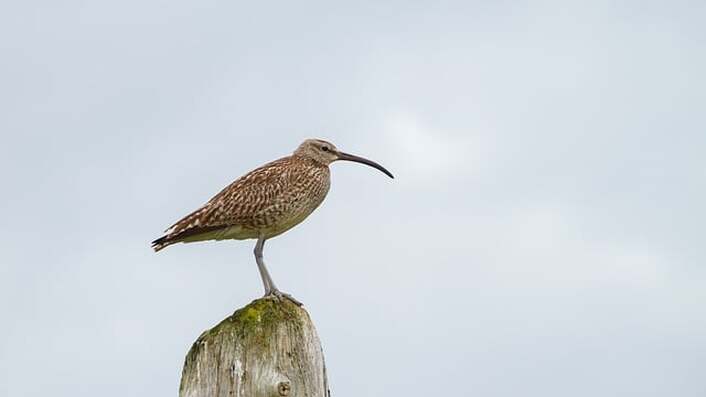
Image by Andreas from Pixabay
Hi folks,
It's been five years since I started this campaign! So I thought I'd take a quick look back and assess some of the great things we've accomplished in our quest to examine and overhaul Natural England's licences, specifically those affecting our wild birds. Successes One of our most significant achievements has been pressuring Natural England into releasing the (previously secret) bird control licensing data. Not only that, but they now publish it in full and every year. The public now has full access to the licence facts and figures, and this really is a huge accomplishment. So well done everyone! But we've had other success too... Black-Headed Gull Eggs Recently we've seen the almost total withdrawal of licences issued to harvest eggs of Black-headed gulls, for human consumption. Just two individual licences remain in place at the time of writing. I'm hopeful that these will also be suspended by next year. Already we've seen the very tangible results of this, as not one single egg of this threatened species was served at this year's annual 'gull egg luncheon' hosted by the Cure Parkinsons charity. This was due entirely to the withdrawal of licences. I expect that most of the fancy restaurants, traditionally serving gull eggs, were also forced to remove them from their menus this year due to lack of availability. A great outcome. Questionable decisions challenged... We've seen licences withdrawn in other cases too, where I pointed out anomalies that Natural England appeared to have missed - for example the 10 year farmyard Starling cull that Natural England continued to licence each year without ever noticing the futility of the exercise. Some of the data I uncovered has really highlighted the most ridiculous decisions made by Natural England's licensing team. For example the destruction of thousands of Mallard eggs because (according to Natural England) the ducks 'posed a threat' to passing cyclists. That particular revelation rightly caused widespread outrage, and indeed in the past five years, our campaign has received coverage in all the major UK national newspapers, with some stories making the news around the world too. This publicity in itself is also a major success of the campaign, raising public awareness of Natural England's activities and ensuring that the organisation is aware of being monitored in this way. Herring Gull licences and valuable discussions In 2020, we were encouraged to find Natural England having a major rethink over the number of licences it issued to cull rural gulls (NatureScot take note...), and I've had a generally useful exchange of views with Natural England's various heads of wildlife licensing. The success of these discussions has depended on who was in office at the time.... I had really good engagement with one particular incumbent who was keen to exchange ideas and hear views from supporters of our campaign. Alas, that helpful chap is no longer with Natural England, which is disappointing. Nevertheless, communication channels remain open - which is no small achievement; I have direct communication with the agency in a way that many others don't. This is due largely to our 400,000 campaign supporters, whose sheer numbers invoke a powerful force for communication and hopefully change. Challenges There are of course still challenges - and frustrations. Our suggestions to reform the Cormorant cull licences fell largely on deaf ears after our most helpful contact at Natural England departed his post. It looked like we were close to agreeing some modifications to the Cormorant licences - but then our hopes disappeared with the change of personnel. And Natural England flatly refuse to consider removing red listed songbirds from the falconry hunting licences, which I think is scandalous. I will continue to fight for these rare birds to be excluded from all lethal control licensing. North of the border.... Although our campaign focuses on Natural England, I have also noted worrying statistics emerging from Scotland, whose own nature agency, NatureScot, has made some dubious decisions over its wildlife control licences. I contacted them in March of this year, to ask if they might follow Natural England's lead in making their licence data publicly available, and they seemed very keen to reassure me that they would: "We agree on the benefits of publishing this information and are keen to ensure openness and transparency of our licensing functions," they told me, adding "we are currently in the process of formatting licence information which will be published on our website on a regular basis". This promise has so far come to nothing. Since that initial response there's been a stony silence and no reply to my emails. Something doesn't smell good... But, you know me - I'll keep asking. Incidentally, licence data I have seen from equivalent bodies Natural Resources Wales and Daera (Northern Ireland) was of less concern, it seems that England and Scotland are the ones to keep an eye on. Next steps What's next for the campaign? Well it might all seem quiet at the moment, but I'll keep looking at the data (and I'd ask you all to do the same), highlighting anomalies and pushing for change. I don't know what the future holds, perhaps a change of government might bring some hope for this country's diminishing wildlife, though I'm cynical about any political solution to our biodiversity crisis. I think the future of our natural world lies in the hands of the people - not the politicians. A very sincere thank you Finally, and most importantly, I want to extend sincere thanks to you all for your support and especially for your messages of encouragement, all of which is what keeps me going. I read and appreciate every single message. Thank you. The campaign continues. 
* Just two licences stand in the way of ending the 'gourmet' trade in Black-headed gull eggs.
* All Hampshire licences have now been suspended - and offers of eggs sourced from this location should be reported as a wildlife crime. * The end of this abhorrent trade is in sight - but 'foodies' are still fuelling demand. * Natural England say "we cannot refuse to grant a licence if an application meets Defra criteria" This week, Natural England have confirmed to me that just two licences remain in place for the harvesting of Black-headed gull eggs for human consumption. The two licences have been issued this year to individuals in North Yorkshire. It's disappointing that these licences remain - for now - but we should take satisfaction from the fact that no licences at all have been issued in Hampshire, the primary traditional harvesting area, and this is a significant result. Report illegal eggs as a wildlife crime Two points to note, the first regarding those 'Hampshire' eggs that were advertised recently by a well known grocer - apparently sourced from Lymington Marshes. If they were indeed from that location, then we now know that they must have been collected illegally. On this matter, Natural England tell me they have "no further statutory remit to investigate the advertised sale of eggs from Hampshire" but advised that if we believe a crime may have been committed, we should "make contact with the local wildlife crime officer by contacting 101". With that in mind, I'd urge everyone to keep an eye open for potentially illegally sourced eggs. May is the traditional time of year when Black-headed gull eggs appear on the menus of high end restaurants and are sold through gourmet food suppliers, so eyes peeled everyone. That said, thankfully there should be far fewer eggs around this year given that only two licences remain in place. Demand from 'foodies' fuels trade It's important to remember that this distasteful trade only exists because of wealthy 'foodies' - so we must view the whole 'tradition' of eating the eggs of a protected species with the disdain it deserves - and encourage those with a taste for wild birds eggs to resist the urge to eat them. Defra policy My second point is that Natural England do acknowledge our concerns over the Yorkshire licences remaining in place - and have attempted to offer an explanation. Their Head Of Wildlife Licensing told me "Whilst I appreciate this news will be disappointing to you, I will explain the rationale for our decision...." (As you'll see, they basically put the onus on Defra...) "If an application passes the legal tests and meets Defra policy criteria, Natural England cannot refuse to grant a licence." They went on to explain in more detail Defra’s policy for sustainable use licensing and basically imply that their own hands are tied. But Natural England do still have some responsibility here, and they reckon that there is no sustainability problem at the currently licensed sites. They defend their decision to issue the two remaining licences, "the licensing team recently undertook a site visit to one of the collection sites and can confirm the colony is healthy and has grown substantially since the previous survey." It's really interesting to note that they came to a similar conclusion in 2020; at that time I urged them to reconsider - and by 2022, following an 'evidence review', they had revoked the Hampshire licences, saying the practice was no longer sustainable. So there's hope that the same thing might happen in Yorkshire. Anyway, it's rather mixed news, there are definitely signs of progress, but as I lamented to Natural England this week, ultimately all this is on the conscience of those people who continue to eat the eggs of a protected species. Without the demand from the 'foodies' who eat them, there would be no market for the eggs in the first place. The campaign continues.... 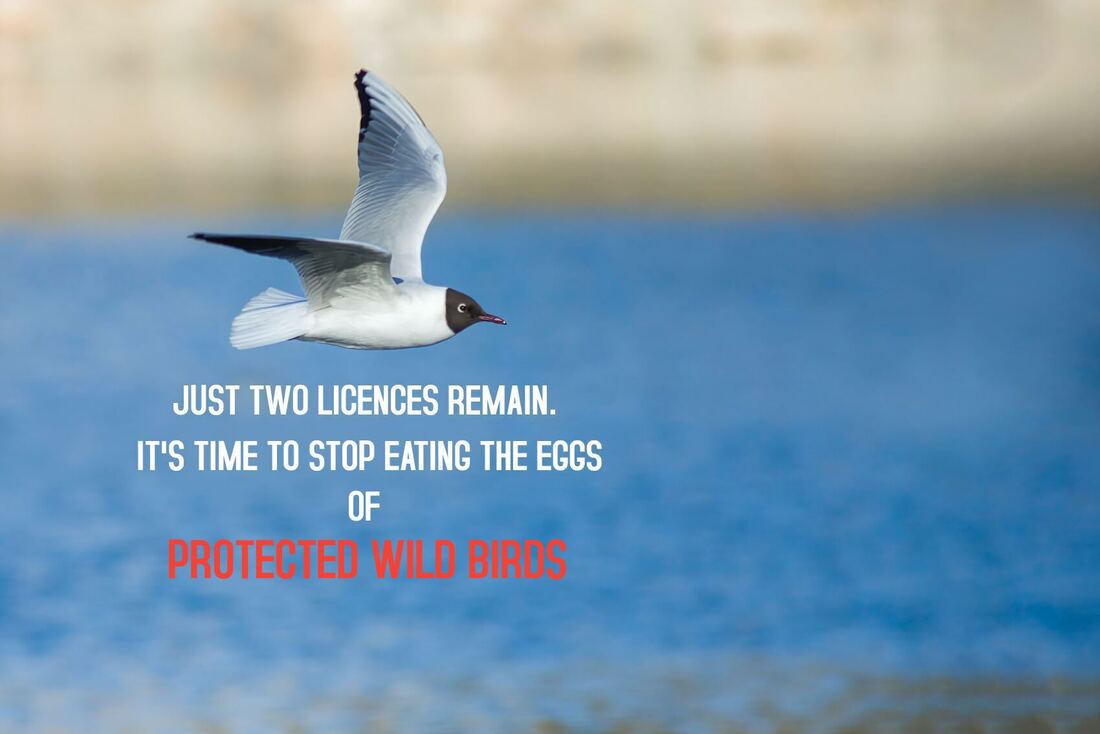
Mystery surrounds a consignment of Black-headed gull eggs that were advertised for sale at a well-known food store this week, raising serious questions over where the eggs are being sourced.
The store stated that the eggs came from Lymington Marshes in Hampshire - but legal egg harvesting in Hampshire has been suspended since last year when Natural England withdrew all licences in the area, following concerns over sustainability of the practice and possible damage that it might cause to SPA (Special Protection Area) integrity and an SSSI site. Indeed hopes were growing that the few remaining licences, issued to just two individuals in North Yorkshire, would also be suspended this year following pressure from our campaign, which is supported by 400,000 people. Who is eating eggs of threatened birds....? For the past few years, as part of our campaign to overhaul Natural England's bird control licensing system, we have been trying to bring an end to the distasteful trade in Black-headed gull eggs, collected for human consumption. Thousands of the eggs have traditionally been harvested each year, from nesting sites in Hampshire and Yorkshire, to be served up to wealthy diners in fancy restaurants and sold through high end grocery outlets. An annual 'Gulls Egg Luncheon' in support of a well known charity also takes place each year in London, where 600 'city professionals' gather to dine on the eggs of this protected species (though last year they were replaced with quail eggs due to supply issues). Black-headed gulls are an amber listed species, of conservation concern. By Natural England's own admission, the practice of collecting their eggs as human food is 'unsustainable' at one of the primary traditional harvesting areas of Hampshire. There have been alleged reports of illegal egg collecting over the years, not surprising when the eggs can retail for £8 each - but of course if people stopped eating the eggs there would be no demand for them. If all the remaining licences were withdrawn, there would be no legal Black-headed gull eggs available - and no grey areas. And that's exactly what I've been asking Natural England to do. Meanwhile I'm calling on restaurants, grocery stores and others to stop selling the eggs. Eggs advertised for sale.... So, it was something of a surprise to find eggs advertised for sale this week through a well known grocer, allegedly collected from Hampshire - where licences have been suspended since last year and collecting the eggs is not permitted. So what is going on....? I asked Natural England if there are any currently active licences and whether there are any 'legal' eggs in circulation. They have told me emphatically that no licences have been issued in Hampshire, but so far they have been unable or unwilling to confirm or deny whether they have issued any licences for harvesting the eggs in Yorkshire or elsewhere. It might well be that the store had made a mistake in declaring their eggs were from Hampshire, they may have come from a legal licensed source in Yorkshire - if those licences remain in place, but until Natural England reveal details of any currently active licences it's impossible to know. After pressing them for an explanation, Natural England have now said they will get back to me with more information by the end of next week "with regards to an update on licences in Yorkshire and Hampshire.....[and] regarding the Lymington Marshes as well." The mystery remains. No longer sustainable It was last year that Natural England told me they conducted an evidence review into the impacts of egg harvesting in Hampshire and concluded that "the activity was no longer sustainable, where adverse effect on SPA integrity or damage to the SSSI feature could not be ruled out." A similar assessment was being made this year in Yorkshire and they said they'd let me know the results of that by the end of March. Now it's nearly May - the height of the traditional egg harvesting season - and Natural England still haven't shared the outcome. We'll have to wait now for more information before we can see what the future holds for Black-headed gulls. As soon as Natural England get back to me I will let you know. Campaign continues It seems like a good time to tell even more people about our campaign, the more support we have the more likely we are to bring about the changes that are urgently required. Please sign/share HERE And watch this space..... 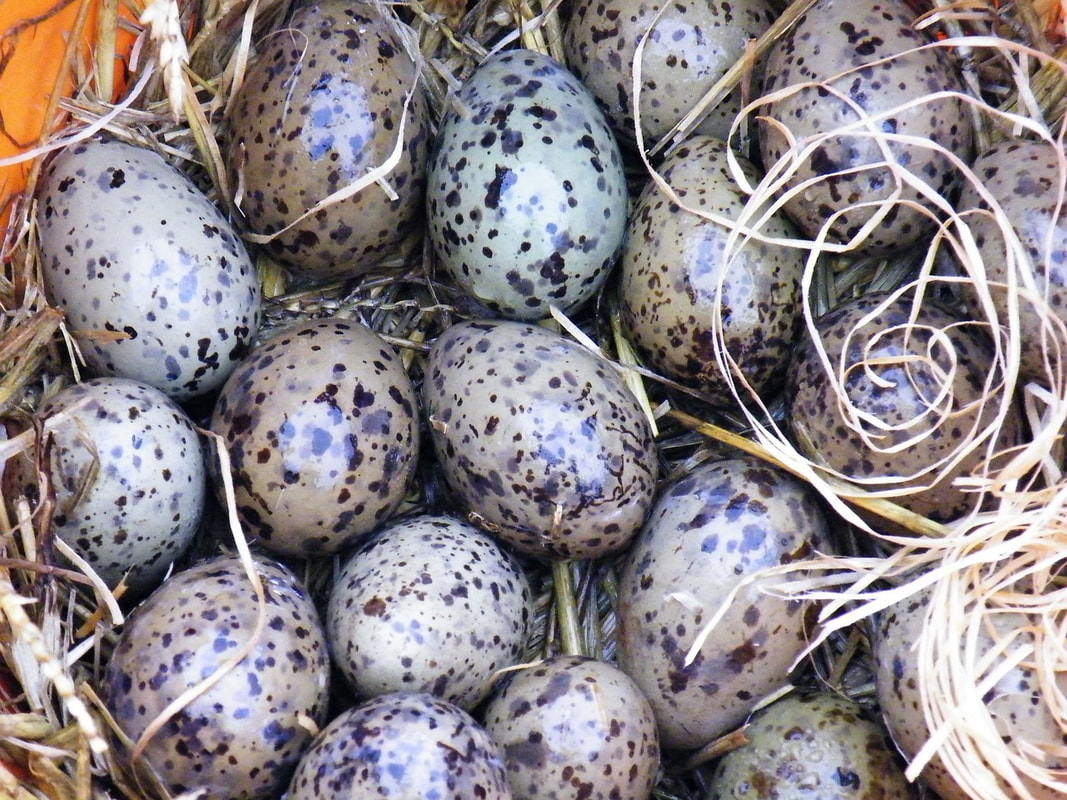
Image by Thorsten Dahl from Pixabay
Natural England has ruled out a review of its notoriously controversial falconry licences, which enable the hunting of red listed birds including Skylarks, House Sparrows, Lapwings, Mistle Thrush and Fieldfares - for 'sport'.
Hunting songbirds continues There was a huge public outcry after I revealed that the UK government's nature watchdog, Natural England, is busy issuing licences to hunt and kill some of our rarest and most treasured wild birds, for the purposes of sport. Along with the widespread condemnation, there was disbelief that rare birds can be legally hunted as 'quarry' in England. Under the current licensing rules, falconers can choose to hunt and kill a range of native birds, including seven that are 'red listed', of the highest conservation concern. No plans for licence review So I asked Natural England if they would at least consider removing the most endangered red-listed species from the licences. But in a blunt statement, Natural England has rejected any immediate review. They told me that "There are no plans to review falconry licensing in the short term". That was all they said on the matter, twelve words, and there are no signs that their inflexible stance will change any time soon. Meanwhile the officially endorsed hunting of our rare songbirds continues, which I think is a scandal. Ongoing campaign to stop gulls eggs being guzzled by wealthy diners... I have also been pushing for a complete end to the grotesque harvesting of Black-headed gull eggs, which are 'traditionally' collected in huge numbers to supply high society dining establishments and elite fundraising events, including the annual Gulls' Eggs Luncheon in support of the Cure Parkinsons charity. This dubious trade in gull eggs is enabled by Natural England who issue licences to collect the eggs. Regular readers will know that, following pressure from our campaign, the licences were suspended at the main harvesting areas in Hampshire ahead of last year's breeding season, though a limited number of licences were still being issued in Yorkshire. I strongly suggested to Natural England that these remaining licences should be withdrawn without any further delay, but they are insistent on carrying out an 'assessment', with a view to making a decision shortly. I was somewhat irked when Natural England's Head of Wildlife Licensing Service informed me earlier this week that "black-headed gulls can produce multiple egg clutches and continue to breed successfully following egg harvesting." As though that is a valid reason to take eggs from the nests of wild birds - merely to satisfy the appetites of a privileged section of society. My response to this was "the fact that they can produce multiple egg clutches is not reflected in their conservation status, which as you know is currently amber. So they are not doing well as a species. Human consumption of their eggs is hardly essential, therefore I can see no valid reason for Natural England to continue to support this practice." 'Sensitive' issue - or is it? When I announced the withdrawal of the Hampshire licences, in a blog post last year, I was asked by Natural England to 'word it sympathetically' to enable them to 'manage' stakeholder communications and sensitivities - they seemed worried about offending certain individuals or groups; but there was none of the backlash that Natural England feared, with establishments apparently just substituting the gull eggs with quail eggs - proving that nobody is really that bothered about eating gull eggs in the first place and that there is no good reason for the anachronistic practice to continue - let alone be supported by England's nature agency. Honestly it's like banging one's head against a brick wall sometimes. This isn't rocket science, nobody should be eating the eggs of an amber listed species, surely? It seems patently obvious. I'm awaiting Natural England's response once they have 'assessed' the situation. Anyway, hope everyone is doing well, I think I can safely say that Spring has now arrived (?), although last time I said that we had a foot of snow dumped on us, so I'm wary about tempting fate! Thanks everyone for your support, further updates in due course. The campaign continues! 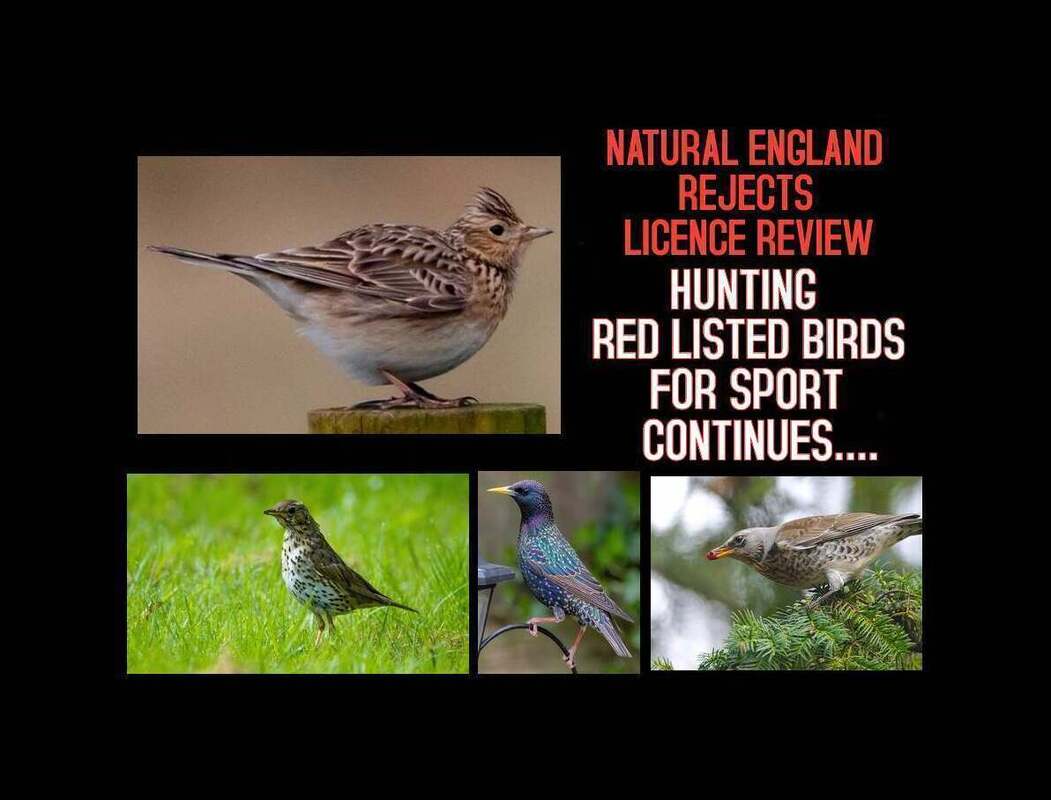
* Scotland's nature agency will publish their wildlife licence data "on a regular basis"
* NatureScot say they are "keen to ensure openness and transparency" * The Scottish government has committed to a review of species licensing 'very soon' Recently I revealed details of some shocking lethal control licences approved by NatureScot, in particular licences affecting five species of protected gulls in Scotland, all of them red or amber listed, of conservation concern. There was a massive outcry from readers of my blog and supporters of our campaign. The sheer scale of the killing, sanctioned by the Scottish government's nature agency, was deeply disturbing and raised so many questions. But these secret statistics are normally hidden from public view and generally only available if officially requested. So, I contacted the CEO of NatureScot and asked if the agency would follow the example of Natural England who, following pressure from our campaign, now publish annual licensing data, specifically complete details of their bird control licences, so that the public can scrutinise each licence and raise questions where necessary. I suggested to NatureScot that publishing the data would show a commitment to be transparent and open about the licences it issues, a move that would surely be welcomed by the public. Good news... data will be released NatureScot were quick to engage with me and I received these encouraging words from them "We agree on the benefits of publishing this information and are keen to ensure openness and transparency of our licensing functions." They went on to say "We are currently in the process of formatting licence information which will be published on our website on a regular basis and we hope to have this available in the next few weeks. We are also presently developing our licensing system so this will be fully on line and capable of providing reports on a regular and consistent basis." I had to fight hard for the same promise from Natural England, so let's hope that this all comes together more easily and that the data will be comprehensive and detailed. I believe that when these agencies know that people like us are looking at the figures then they are bound to be more cautious and considered when making decisions affecting our wild birds. Review of licences imminent In addition, NatureScot also told me that "the Scottish Government have also committed to a Review of Species Licensing which we expect to see initiated very soon and we will of course play a significant role in taking this work forward." In response to this, I reiterated that many people are really very troubled by the mass destruction of gulls and added that I hope this particular policy will be reconsidered in the light of the fragile conservation status of these species. Each of us has a duty to examine the data While these are small steps, they are significant. Honestly, while I'd love to see an end to all 'lethal control' of wildlife, I know this isn't going to happen any time soon, because many human beings are too selfish to consider other species; but we can be empowered to raise questions and campaign to stop decisions that are suspect. That is where increased transparency can help, we'll all be able to scrutinise the licence statistics and each of us has a duty to examine the data and flag our concerns. I'll keep you all informed of further developments..... 
Image by Gordon Johnson from Pixabay
|
If you appreciate what I write about, please consider showing your support by buying me a virtual coffee!
Click the button below! Thanks :) 
Archives
July 2023
|
 RSS Feed